In recent years, road light solutions have gained significant attention. Many global buyers seek reliable and efficient lighting products. China has emerged as a leading player in this industry. Its advanced technology and competitive pricing attract international interest.
Road light systems from China are notable for their quality and innovation. Manufacturers often prioritize energy efficiency and durability. This focus can help reduce long-term costs for buyers. However, some may question the consistency of product quality across different suppliers. Researching and vetting manufacturers is essential to address this concern.
Understanding local regulations is also crucial. Buyers must ensure that products meet their specific requirements. While China offers a broad range of options, not all solutions may fit every market. Therefore, careful consideration is necessary to find the best road light for your needs. This journey can be complex, but the rewards of well-chosen products can significantly enhance urban infrastructure.
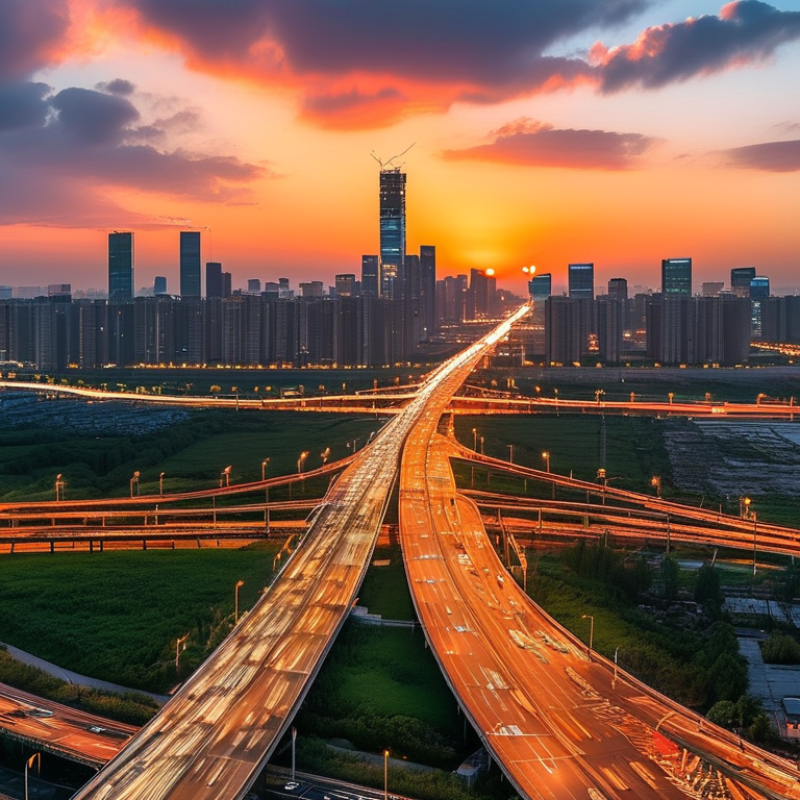
China has emerged as a leader in road light solutions, catering to a global market. With the rapid advancements in technology, Chinese manufacturers have developed innovative lighting systems that enhance safety and visibility on the roads. These solutions often utilize energy-efficient LEDs, which reduce costs and have a longer lifespan.
The export potential of China's road lighting sector is significant. Many nations look for cost-effective, reliable lighting options. Chinese companies focus on quality and compliance with international standards, which builds trust among foreign buyers. However, there are challenges, like fluctuating material costs and stringent regulations in other countries, that need addressing for sustained success.
Moreover, while China's capabilities are impressive, the industry's rapid growth brings issues such as environmental concerns and labor practices. Continuous improvement is necessary to ensure sustainable operations. The path ahead involves balancing innovation with responsible manufacturing. This reflection highlights the need for a comprehensive approach in this vital industry.
China has emerged as a leader in road lighting solutions, leveraging advanced technologies to enhance urban landscapes. Innovations such as LED lighting and smart control systems are at the forefront. These technologies improve energy efficiency significantly. Cities can reduce their carbon footprint while increasing visibility on roads. The integration of sensors and IoT systems further enhances user experience. With real-time data, cities can optimize lighting based on traffic patterns.
Furthermore, renewable energy sources are increasingly being adopted in road lighting projects. Solar-powered road lights are becoming popular for their sustainability. These lights can operate independently from the grid, allowing for installation in remote areas. However, implementation can be challenging. Initial costs and integration into existing infrastructure present hurdles that need attention. Balancing innovation with practicality is crucial for long-term success.
The drive for innovation in China's road lighting sector is a double-edged sword. While technology is advancing, the rapid pace may lead to inconsistencies in quality. It raises questions about reliability and the need for standardization. Buyers must carefully assess potential solutions and their performance. Trust in the supplier’s expertise and commitment to quality is essential in navigating this evolving market.
China's road light manufacturing industry is increasingly adopting sustainable practices. This shift is driven by the need for eco-friendly solutions and resource conservation. Manufacturers are exploring innovative materials and production methods. These approaches help reduce waste and energy consumption.
Many factories are implementing energy-efficient technologies. Solar-powered lights are gaining traction, providing longer-lasting solutions. However, not all manufacturers adhere to these principles. Some still rely on outdated methods, which can harm the environment. Thus, transparency in production processes is essential.
The need for sustainability is urgent. Climate change and resource depletion are pressing issues. Buyers are becoming more discerning, seeking reliable suppliers who prioritize eco-friendly practices. This shift not only impacts local markets but also influences global trends. Manufacturers must continuously reflect on their processes to ensure they meet these evolving demands.
| Feature | Specification | Sustainability Aspect | Market Application |
|---|---|---|---|
| LED Technology | 100-150 Lumens/Watt | Energy-efficient, low power consumption | Urban roadways, highways |
| Solar-powered Options | 12V, 20W solar panel | Uses renewable energy | Rural areas, parks |
| Smart Lighting | IoT integration, dimming capabilities | Dynamic energy usage | Smart cities, investment districts |
| Durability | IP65 rated, aluminum housing | Long lifespan, minimal waste | All road types |
| Warranty | 3-5 years | Commitment to quality | All markets |
As urbanization continues to spread globally, the demand for effective road lighting solutions is on the rise. Cities require energy-efficient, reliable lighting to enhance safety and improve the quality of life. Bright, well-distributed illumination not only helps prevent accidents but also promotes nighttime activities. However, there is a growing need for sustainable options. Many cities are now seeking solutions that reduce energy consumption and carbon footprints.
Market trends indicate a shift towards smart technologies. Integrating sensors and IoT can help cities optimize their lighting systems. For instance, adaptive lighting can adjust based on traffic patterns or ambient light levels. This innovation supports conservation efforts while improving functionality. However, finding the right balance between high-quality light and energy savings remains a challenge for many municipalities.
Additionally, cost remains a significant barrier for some regions. Budget constraints may hinder the adoption of advanced lighting systems. While others are keen on investing in modern solutions, they often overlook maintenance costs associated with these technologies. Thus, assessing the total lifecycle cost becomes crucial. Awareness and education about these emerging technologies are key. Only by addressing these issues can cities find the most suitable road lighting solutions for their needs.
The global demand for road lighting solutions is rapidly evolving. Case studies highlight successful installations of Chinese road lights in diverse environments. Countries like Brazil and Kenya have embraced these technologies, resulting in improved visibility and safety. For instance, a project in Nairobi showcased a 30% reduction in accidents due to enhanced street lighting.
Experts report that LED lighting systems significantly lower energy consumption. According to the International Energy Agency, LED lights can save over 70% more energy compared to traditional solutions. This conversion not only reduces costs but also contributes to environmental sustainability. However, challenges remain. Not all installations maintain consistent brightness over time, leading to mixed feedback from end users. Regular maintenance is crucial to ensure optimal performance.
Road safety statistics reveal a compelling need for better lighting solutions. In urbanized areas, inadequate lighting contributes to nearly 40% of traffic accidents. Investing in quality road lighting reduces these risks and enhances public safety. When selecting road light systems, consider the lifespan and maintenance requirements. Long-lasting solutions may have higher upfront costs but can lead to substantial long-term savings. Each installation presents unique challenges, and ongoing assessment is essential to address potential issues effectively.
: Rapid advancements in technology have enabled innovative lighting systems for safety and visibility.
They often use energy-efficient LEDs, which are cost-effective and have a longer lifespan.
Fluctuating material costs and stringent foreign regulations can hinder success.
Manufacturers are adopting eco-friendly solutions to reduce waste and energy consumption.
Many are implementing energy-efficient technologies like solar-powered lights, though not all comply.
It ensures adherence to sustainable practices and builds trust with discerning buyers.
Urbanization increases the need for energy-efficient and reliable lighting for safety.
They integrate sensors and IoT to optimize lighting based on traffic and ambient light.
Budget constraints and overlooked maintenance costs can hinder adoption of modern solutions.
Assessing the total lifecycle cost and being educated about emerging technologies is crucial.
China has established itself as a leader in road light solutions, catering to the global market with innovative technologies and sustainable manufacturing practices. The country's advancements in road lighting are driven by key technologies that enhance energy efficiency and longevity while reducing environmental impact. As the demand for effective and sustainable road lighting solutions grows worldwide, China's ability to offer tailored options positions it favorably in the global marketplace.
In addition, various successful case studies highlight the effectiveness of Chinese road lights in different regions, showcasing their adaptability to diverse needs and conditions. With ongoing market trends indicating a shift toward smart and eco-friendly lighting solutions, China's contributions to road light innovation are likely to shape the future of urban infrastructure globally, making it a pivotal player in this sector.

Austar